


In This Article…
Not every guest experiences a tour the same way. Accessible tourism is about removing barriers so more people can participate comfortably and completely.
For tour operators, accessibility is no longer something to treat as an afterthought. More and more guests want to know whether an experience will actually work for them before they commit. While it may not always be possible to make every experience fully accessible for every traveller, being transparent about accessibility features and potential challenges helps guests make informed decisions and reduces misunderstandings later on.
Clear accessibility planning also helps tour companies avoid confusion, complaints, and negative reviews. When expectations match the experience, guests feel more confident booking with your business.
This article breaks down what accessible tourism really means and how tour operators can communicate their accessibility standards clearly while delivering better guest experiences for all.
What Accessibility in Tours Really Means
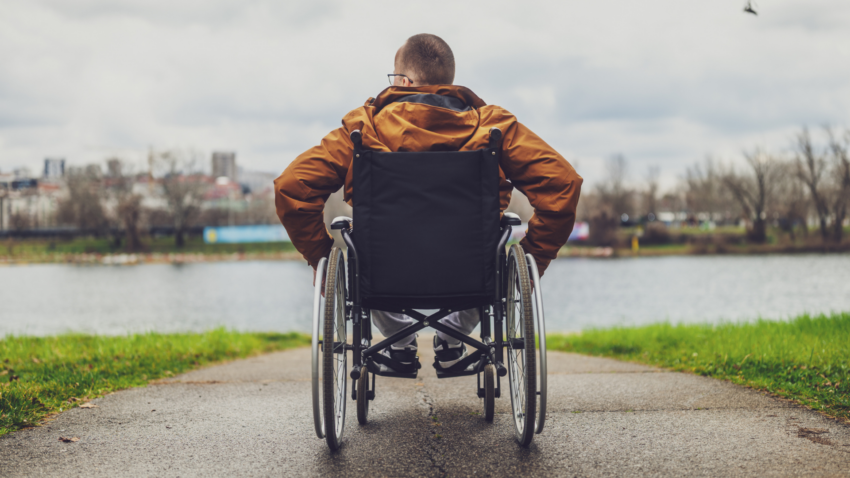
Accessibility means designing tours that accommodate a range of physical, sensory, communication, and cognitive needs. For some guests, that might mean avoiding steep hills or long walking distances. For others, it could mean clearer verbal instructions, quieter environments, or predictable pacing.
Mobility accessibility
Mobility accessibility helps make tours more welcoming for guests with mobility impairments or physical limitations. These challenges may relate to disabilities, chronic pain, injuries, age, fitness levels, pregnancy, or travelling with young children.
By recognizing how factors like distance, terrain, pacing, and physical demands affect participation, tour operators can create experiences that are more approachable for a wider range of travellers.
Hearing accessibility
Hearing accessibility focuses on helping guests fully engage with tour communication and information. Guests who are deaf or hard of hearing may experience challenges in loud environments, large groups, or fast-paced settings where important details can be difficult to follow.
Clear communication practices help create a more inclusive and enjoyable experience.
Visual accessibility
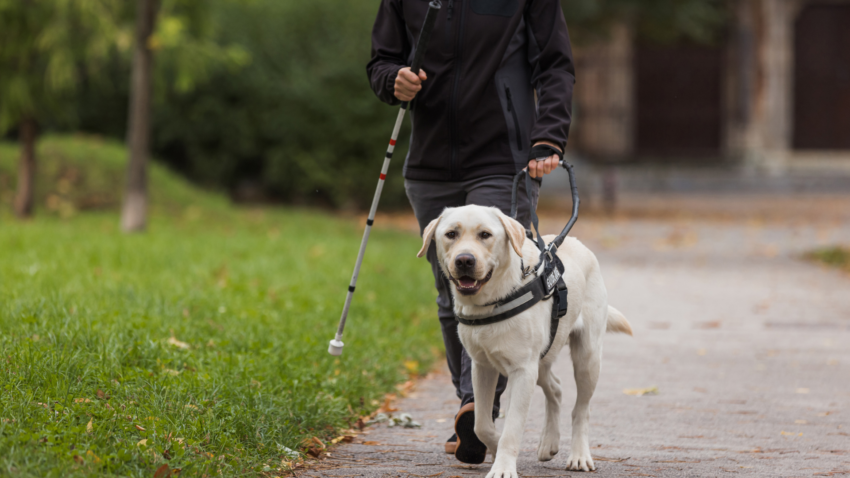
Visual accessibility supports guests who are blind or have low vision by ensuring they can still meaningfully experience or navigate a tour. This often involves thinking beyond visual elements alone and considering how guests receive information about their surroundings, movement, and environment.
Cognitive accessibility
Cognitive accessibility helps make tours easier to understand, process, and navigate for guests with a range of cognitive, neurological, or sensory-related needs. This may include travellers with:
- ADHD
- Autism
- Anxiety
- Learning disabilities
- Memory-related conditions
- Sensory sensitivities
Factors like unclear instructions, unpredictable pacing, overstimulating environments, or sudden schedule changes can affect how comfortable and enjoyable a tour feels. Clear communication, consistency, and thoughtful pacing help create a smoother experience for all guests.
Why Accessibility is a Competitive Advantage for Tour Operators
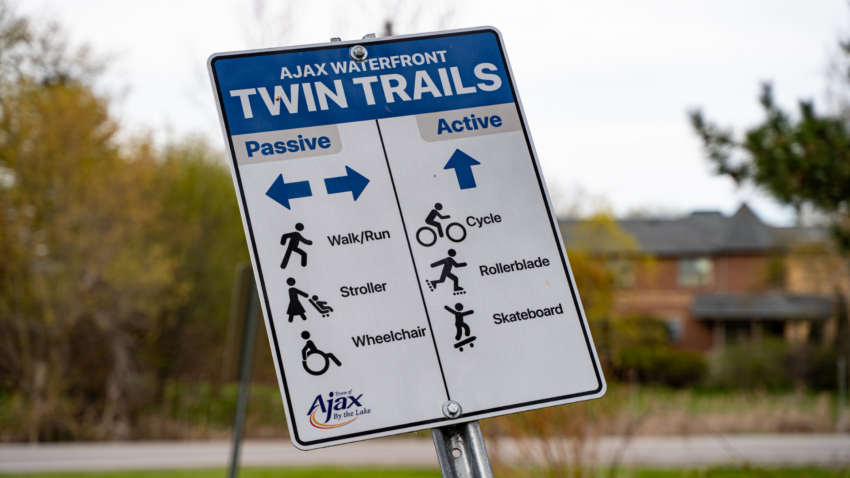
The market for accessible tours continues to grow as travellers look for experiences that accommodate a wider range of needs. Families and groups often choose providers based on the accessibility requirements of a single traveller. If one guest cannot comfortably participate, the entire group may book elsewhere.
Inclusive tour experiences can also lead to:
- Better reviews
- Repeat bookings
- Higher guest confidence
- Reduced booking hesitation
- Stronger word-of-mouth referrals
Guests remember businesses that made them feel comfortable and informed.
How Operators Can Make The Booking Experience Accessible
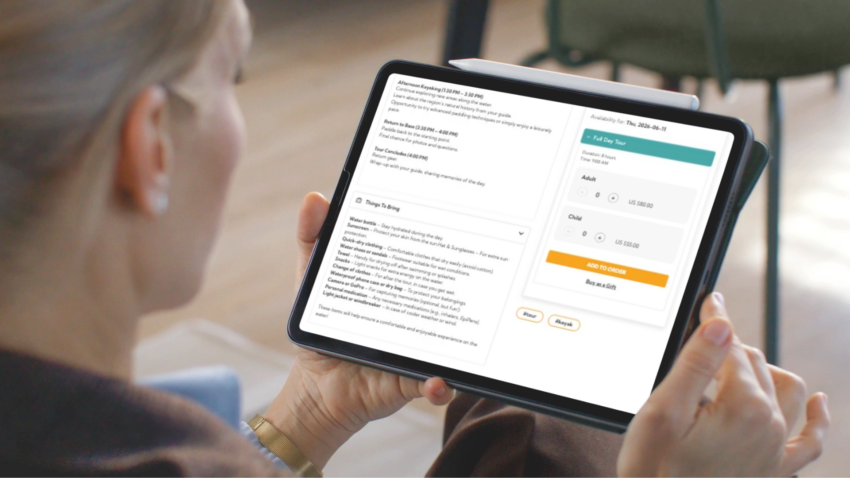
Start with Clear Communication Before the Tour Begins
One of the biggest accessibility barriers in tourism is unclear communication. Guests should not have to guess what “moderate walking” means or whether a venue has stairs.
Accessible communication in tourism builds trust before the tour even starts. It helps guests make informed decisions and reduces misunderstanding at a later stage. Instead of vague descriptions, provide measurable details, including:
- Total walking distance
- Approximate tour duration
- Number of stairs
- Surface conditions
- Elevation changes
- Seating availability
- Restroom access
Terrain descriptions should also be specific. Rather than stating “historic streets,” explain what type of ground your guests are likely to encounter on your tour, such as cobblestones, gravel, uneven pavement, hills, or narrow pathways. This allows guests to assess tour suitability based on their own comfort level and prep accordingly.
Providing this level of specificity not only supports accessibility and guest confidence; it also improves how your experience is understood and suggested in online travel searches and AI recommendations. Clear, structured details make it much easier for systems that recommend tours and activities to accurately match your experience with the right travelers.
Include sensory and environmental details
Accessibility extends beyond mobility. Consider sharing details like these that can affect guests’ comfort and their ability to enjoy and understand the tour::
- Lighting conditions
- Noise levels
- Typical group size
- Crowded environments
- Indoor versus outdoor portions
For some travellers, loud or overstimulating spaces can affect comfort just as much as physical barriers.
Use respectful language
Language matters when discussing accessibility. Avoid outdated or patronizing phrasing. Keep descriptions neutral, factual, and respectful. The goal is to inform guests, not label them. You don’t need to be perfect–good intentions build goodwill–but reading up on inclusive language (try this government resource as a starting point) can help you avoid making guests uncomfortable.
Clear language also improves booking trust. Guests are more likely to feel comfortable reaching out when accessibility information feels transparent and professional.
Make questions easy
Provide a clear contact method for accessibility inquiries. Some guests may have specific questions that are not addressed on the booking page. Make it easy for them to ask before arrival.
It also helps to include frequently asked questions directly in your tour details or FAQ section so guests can quickly find answers without needing to contact you.
To support consistency, create internal guidelines so staff can provide the same clear information across email, phone, and live chat conversations with potential guests.
How Tour Operators Can Plan More Accessible Tours
Trying to solve accessibility challenges reactively during a tour often creates stress for both guests and staff. Generally, baking accessibility into your business works best when it’s integrated throughout the entire planning process for your tours, from start to finish.
Here are some tour guide accessibility tips to put yourself in the shoes of guests needing additional assistance.
Walk the route yourself

Conditions that seem minor to staff may create significant challenges for guests.
Physically walking your tour route with accessibility in mind can be one of the most effective ways to identify accessibility barriers for guests. Pay attention to:
- Narrow walkways
- Steep inclines
- Poor surfaces
- Limited seating
- Tight entry points
- Sudden elevation changes
Verify partner accessibility directly
Even small inconsistencies can affect your guest experience. Never assume your partner venues are fully accessible based on their marketing materials alone. Verify these details beforehand, including:
- Elevator access
- Restroom accessibility
- Entrance conditions
- Seating availability
- Lighting and acoustics
Build flexibility into itineraries
Accessible tours often benefit from additional flexibility. Consider including:
- Scheduled rest breaks
- Buffer time between stops
- Alternate route options
- Opportunities for guests to opt out of specific segments
This creates a more comfortable pace for everyone.
Use practical accessibility tools
Many accessibility tools are practical, inexpensive, and easy to provide.. Depending on the tour format, helpful tools may include:
- Portable stools
- Assistive listening systems
- Printed summaries
- Large-print materials
Delivering Accessible Experiences During the Tour
Even well-planned tours can fall short if the on-site experience is difficult to follow or navigate. Tour delivery plays a major role in accessibility, especially when guides need to balance communication, pacing, group movement, and guest comfort in real time.
Set expectations early
At the beginning of the tour, review:
- Route details
- Approximate timing
- Planned stops
- Terrain conditions
- Break opportunities
This helps guests prepare mentally and physically for the experience ahead. Guests often feel more comfortable when tours follow a clear structure with consistent timing and expectations. Try to minimize sudden changes without explanation. If plans shift, communicate why and what guests should expect next.
Invite private communication
Some guests may not feel comfortable raising concerns in front of a group. Encourage tour goers to share their needs privately if they prefer. This helps normalize accessibility adjustments without making guests feel singled out.
Communicate clearly
Guides should aim to:
- Speak clearly
- Maintain a moderate pace
- Face the group while talking
- Pause in quieter areas when possible
Background noise, movement, and distance can quickly make explanations difficult to follow. Avoid speaking while walking if the environment is noisy or difficult to navigate.
Clear communication can also help with visual accessibility. Guides can take these steps to help guests with visual impairments:
- Describe landmarks clearly
- Announce terrain changes
- Identify obstacles ahead of time
- Provide verbal cues for directional context
Maintain a comfortable pace

A steady pace is critical for accessible tours. A rushed group leaves guests struggling with mobility impairments, while a slow, inconsistent group can create frustration and fatigue.
Planning ahead and building in time for delays can make a significant difference to how your group experiences your tour’s pace. Try to maintain predictable movement throughout the tour and communicate changes clearly if adjustments are needed.
Common Accessibility Mistakes to Avoid
Accessibility efforts are only beneficial when they’re done thoughtfully. Here are some mistakes you can easily avoid:.
Using vague descriptions
Terms like “easy walk” or “moderate activity” mean different things to different people. Specific details are far more helpful than subjective descriptions.
Overpromising accessibility
Avoid claiming any kind of accessibility unless you’re sure you can provide it. Guests rely on this information when making decisions. If the experience does not match expectations, trust breaks down quickly.
Assuming guest needs
Never assume that someone wants or needs physical assistance.. Touching guests or their assistive devices without permission can be violating, harmful or hazardous.. Unless someone is in immediate, serious danger, you should always ask before intervening.
If you or your guides ever wonder what might help a guest otherwise, just ask. People are generally experts on their own experiences and needs.
Ignoring invisible disabilities
Not all accessibility needs are visible. Things like sensory sensitivities, chronic pain, hearing loss, cognitive disabilities, and anxiety can all affect how guests experience your tours. Inclusive operations should account for a broad range of experiences.
Real World Accessibility Scenarios
Accessibility challenges aren’t as intimidating as they might sound. You probably already make accommodations without giving it much thought. By looking at real-world situations, it’s easy to see how small operational adjustments can improve guest comfort, communication, and overall participation for operators looking to provide disability-friendly tours.
Scenario: Loud indoor food market

A Seattle guide regularly leads tours through Pike Place Market, guiding tourists to the best tastings, showing off the views, and sharing the history of the market. On weekends, the market is always busy, and guests often struggled to hear explanations and instructions during peak hours.
The operator introduced portable assistive listening equipment and adjusted stopping points to quieter sections of the market, giving extra context while guests looked out over Elliott Bay. The results were an instant improvement: guests reported clearer communication and a more enjoyable time at the market.
Operational lesson: Environmental noise can affect accessibility significantly, even when mobility barriers are limited.
Scenario: Museum tour with limited seating
Exploring a popular Quebec museum was a delight for visitors, but it was also a hike. The museum was a deceptively long walk from the local hotels, with lots of stairs, and the multi-floor museum included lengthy halls and long waits for multimedia exhibits. Many guests experienced fatigue before the tour ended.
The operator added scheduled seating breaks and adjusted pacing between gallery sections, taking extra time to let people enjoy the displays in the lobbies and halls where seating was available. In turn, guest feedback improved, particularly among older visitors and cruise guests.
Operational lesson: Small pacing adjustments can improve accessibility without changing the core experience.
Measuring and Improving Accessibility Over Time
Accessibility should be treated as an ongoing operational strategy, not a one-time update. Guest expectations, facilities, and routes can all change over time.
Add accessibility questions to surveys
Post-tour surveys can help operators identify recurring issues. Consider asking guests about:
- Communication clarity
- Physical comfort
- Pace and timing
- Accuracy of accessibility information
Review feedback consistently
Accessibility-related comments should be reviewed regularly, especially if multiple guests mention similar concerns. When you find patterns, they might reveal new operational improvements you can make. It’s also worth weighing individual remarks–adapting to one guest’s struggles might just make your tour more accessible to everyone who comes after.
Conduct accessibility audits
Periodic accessibility audits can help identify issues before guests encounter them. At minimum, you should keep accessibility part of your considerations when you review:
- Routes
- Venue partnerships
- Communication materials
- Booking information
- Staff training practices
Small updates to any issues you find can prevent larger problems down the line.
Ready to Make Your Tours More Accessible and Inclusive?
Accessible communication in tourism creates better guest experiences while expanding your potential audience. Clear communication, thoughtful planning, and consistent delivery can improve reviews, reduce complaints, and increase repeat bookings.
Most accessibility improvements are simple, practical changes that improve the experience for all guests. When you communicate clearly and follow through on what you promised, you build stronger trust with travellers.
If you’re looking into how to make tours accessible, start by reviewing your communication, route planning, and guest experience delivery processes. With small changes, you can have a measurable impact on your guests’ satisfaction and their booking confidence.

Written By | Lindsay Stroud